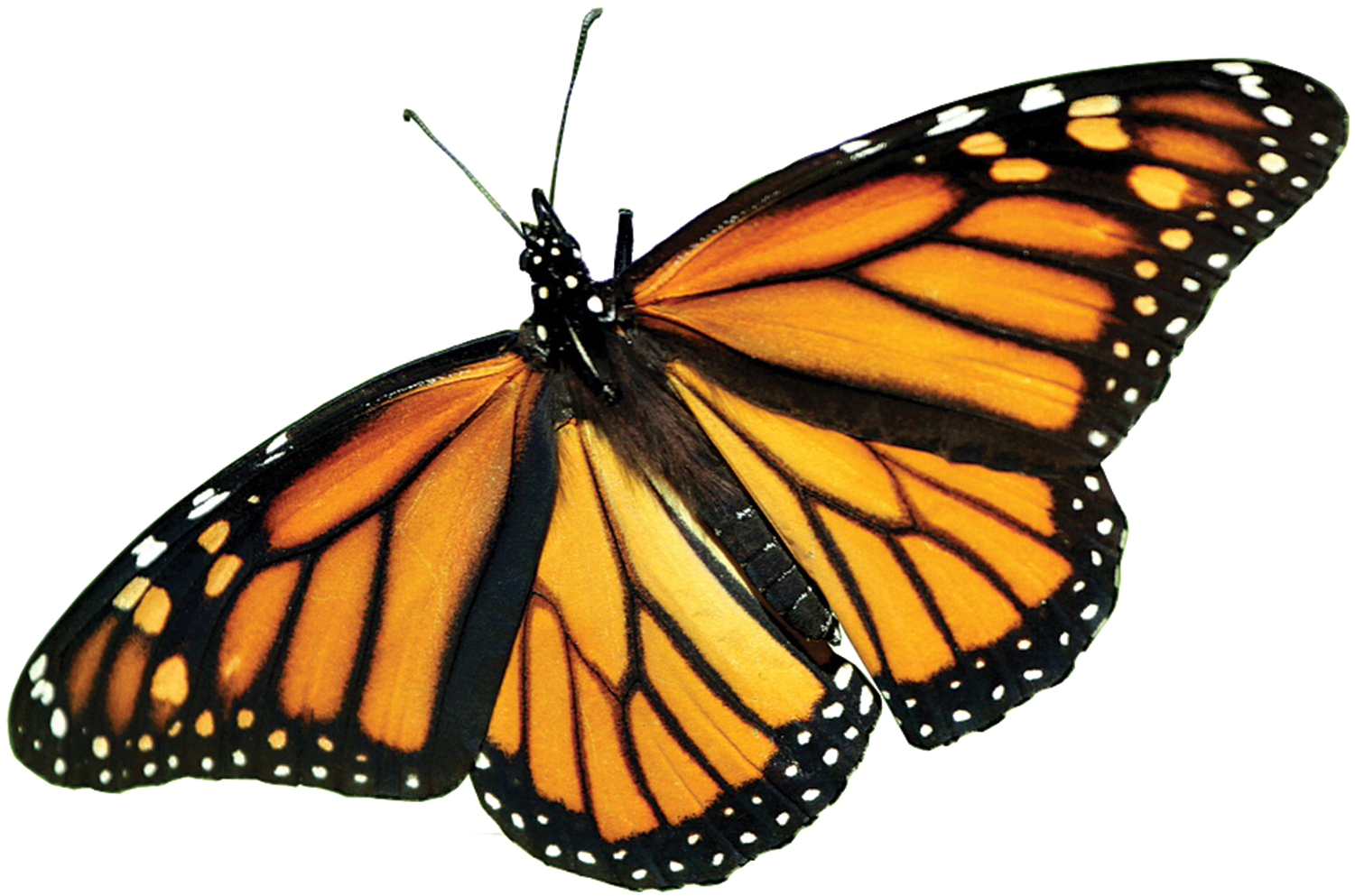
How Monarchs Avoid Predators
Monarchs use their bright orange, black, and white colors as a warning signal to predators. This type of
coloring, called aposematism, tells birds and other animals that monarchs taste bad and may be poisonous.
Monarch caterpillars get these toxins from the milkweed they eat, and the chemicals stay in their bodies
even after they become butterflies.
Not all monarchs are equally toxic, though — different milkweed species contain different levels of
protective chemicals. Some predators can even tell which parts of a monarch are safer to eat and avoid the
most toxic
areas.
Scientists emphasize that predators eating monarch eggs, caterpillars, or adults is a natural part of the
ecosystem. Monarchs have always been part of the food chain, and people shouldn't try to eliminate their
predators. Instead, the best way to help monarchs is by protecting and restoring their habitat.
types of predators
Monarchs have many natural predators, but none of them are responsible for the species' long-term population
declines. Birds, mice, insects, and even spiders all play a role in the monarch's food chain.
Some birds have learned how to eat monarchs without getting sick from the toxins the butterflies carry from
milkweed. Others avoid the most poisonous parts and only eat the safer sections. In places like Hawaii,
introduced bird species even prefer monarchs with lighter coloring, which blend in better with their
surroundings.
Small mammals, such as certain mice, can also tolerate monarch toxins and may feed on overwintering
butterflies in Mexico. Insects like lady beetles, mantises, wasps, and predatory bugs often eat monarch eggs
or young caterpillars. Parasites and diseases also naturally affect monarchs.
Even though these predators can take a noticeable number of monarchs, scientists emphasize that this is
normal. Monarchs evolved alongside these threats, and predation is a natural part of a balanced ecosystem.
The real challenges monarchs face today come from habitat loss, climate change, and environmental pressures
— not their predators.
monarch defense strategies
Monarchs are famous for being poisonous to many predators — and that protection starts when they're
caterpillars. As they feed on milkweed, they absorb special chemicals called cardenolides, which stay in
their bodies even after they become butterflies. These toxins make monarchs taste bad and can make predators
sick, which is why their bright colors serve as a warning.
Different milkweed species contain different levels of these chemicals, so monarchs raised on some plants
become more toxic than others. Monarchs often get the strongest protection from milkweeds with moderate
toxin levels, rather than extremely high or low ones.
After a monarch transforms into a butterfly, the toxins move into different parts of its body. The wings
hold a lot of the bitter chemicals, which helps discourage birds that try to bite them. The abdomen — the
part predators most want to eat — contains the strongest toxins of all.
Some milkweed species can also influence how monarchs handle parasites. For example, tropical milkweed may
help infected monarchs feel healthier, but it doesn't cure the infection and can actually help parasites
spread if used in home gardens.
Overall, monarchs' toxic defenses are a key part of their survival — a natural partnership between the
butterfly and the milkweed plants it depends on
What's Threatening Monarchs Today
Monarch butterflies have declined dramatically over the past few decades. Since the 1990s, nearly a billion
monarchs have disappeared from their overwintering sites. The U.S. Fish and Wildlife Service estimates that
eastern monarchs have dropped by about 80%, while western monarchs have fallen by 95%.
One of the biggest causes is the loss of milkweed, the only plant monarch caterpillars can eat. As
herbicides became more widely used in farming and landscaping, milkweed nearly vanished from huge areas of
the Midwest — the heart of the monarch's breeding range. Policies that encouraged more intensive crop
production also reduced the amount of fallow land where milkweed once thrived.
- Habitat loss in breeding, migratory, and overwintering areas
- Pesticides and insecticides that harm caterpillars and adult butterflies
- Climate change, which disrupts migration timing, weather patterns, and overwintering conditions
- Loss of nectar plants, especially along migration routes
Together, these pressures make it harder for monarchs to complete their incredible journey each year. Understanding these threats helps us see why habitat restoration, reduced chemical use, and community action are so important for their survival.