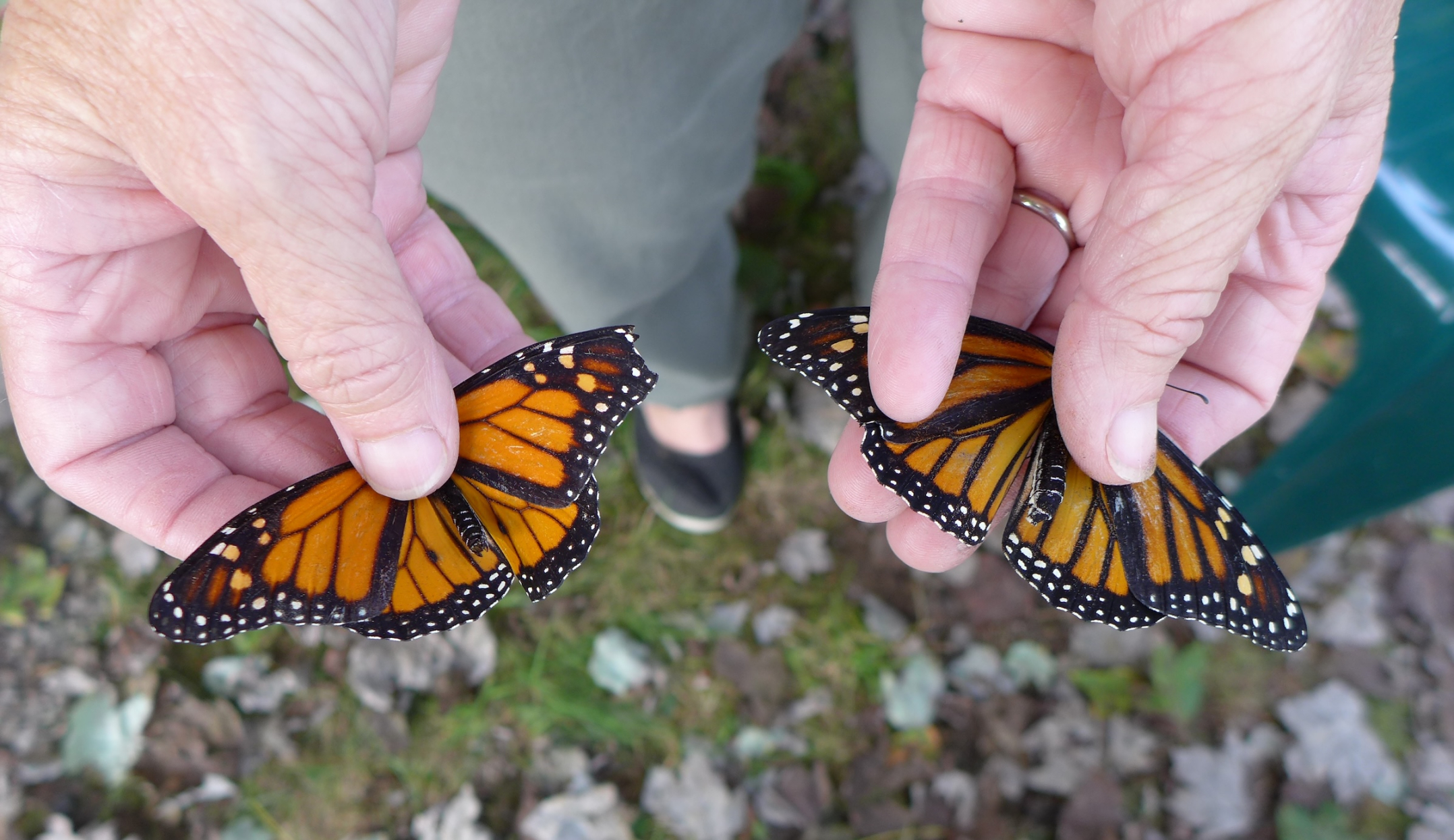
Monarch butterflies have become powerful cultural and conservation symbols across the United States. Several states have even chosen the monarch as their official insect, reflecting how beloved this species is.
Many people support monarchs by planting butterfly gardens filled with native milkweed and nectar plants. These gardens — often called monarch waystations — provide important habitat in places where natural areas have disappeared. Community groups, schools, and homeowners all play a role in creating these small but meaningful refuges.
Monarchs also inspire art, books, films, and scientific curiosity. Documentaries and novels have helped share the story of their migration, while sanctuaries in Mexico and California attract visitors who want to witness the butterflies' winter gatherings. Tagging programs allow volunteers to help scientists track migration routes and better understand how monarchs move across the continent.
Together, these efforts show how deeply people value monarchs — and how human action can help protect one of nature's most extraordinary migrations.
Raising Monarchs in Captivity
Many people enjoy raising monarchs at home or in classrooms, and small-scale rearing can be a meaningful way
to learn about the butterfly's life cycle. Monarchs are often used in education, memorial events, and
community programs, helping people connect with the species in a personal way.
However, scientists caution against mass-rearing monarchs — raising large numbers in enclosed spaces —
because
it can unintentionally harm wild populations. Captive conditions make it easy for diseases like OE to
spread,
and releasing infected butterflies can increase parasite levels in the environment. Monarchs raised indoors
may also be less fit for migration, with reduced navigation ability and lower survival rates.
For these reasons, conservation groups recommend keeping captive rearing small, careful, and educational,
while focusing most efforts on planting native milkweed and nectar flowers — actions that help wild monarchs
far more than releasing large numbers of captive butterflies.